Eastern Modality • Topic 01
1. Traditional Thai Massage (Nuad Bo-Rarn)
The Ancient Art of Sen Energy Line Balancing & Dynamic Body Alignment
Nuad Bo-Rarn, traditionally translated as "ancient massage," is a sacred healing tradition founded over 2,500 years ago in Thailand by Jivaka Kumar Bhaccha, the personal physician to the Buddha. Unlike Western massage styles performed with oils on a high table, traditional Thai massage is performed dry on a supportive floor futon or mat, with the client dressed in loose, comfortable cotton clothing.
The system works upon the anatomical and energetic framework of Sen Sib (the 10 primary energy pathways out of an estimated 72,000 channels throughout the human body). When emotional stress, postural distortion, or physical fatigue blocks these channels, muscular rigidity and localized pain result. Therapists use their palms, thumbs, elbows, forearms, and even feet to apply rhythmic, bodyweight-leveraged pressure along these pathways to eliminate energetic blockages.
Physiological & Neurological Mechanisms: Beyond its energetic foundations, clinical research demonstrates that sustained pressure along myofascial planes stimulates the Golgi tendon organs, encouraging muscle spindles to lengthen safely. This releases tight connective tissue sheets and drastically lowers sympathetic nervous system arousal, yielding deep mental stillness.
Eastern Modality • Topic 02
2. Thai Assisted Yoga Stretching
Biomechanics of Passive Flexibility, Joint Decompression & Fascial Elongation
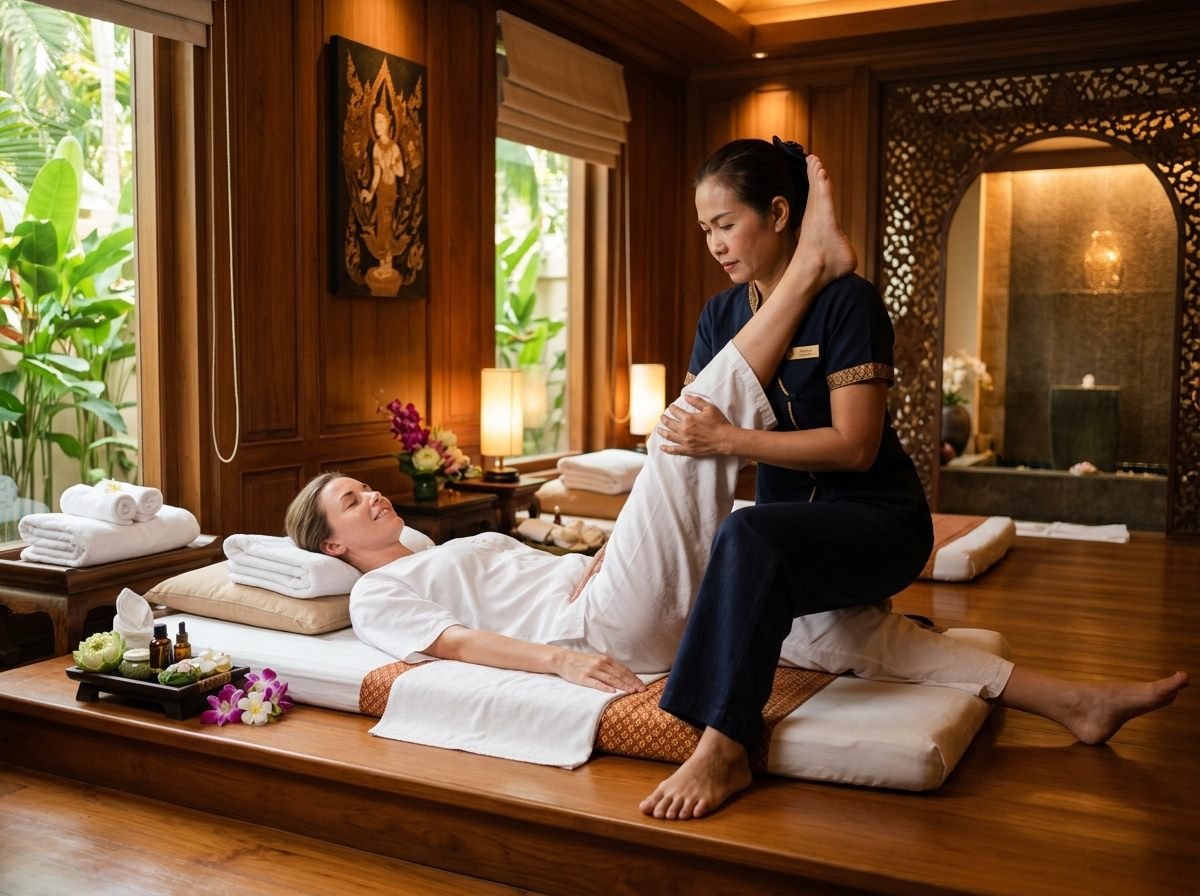
Often referred to as "lazy man's yoga", Thai assisted stretching allows the recipient to experience all the structural, vascular, and circulatory benefits of advanced hatha yoga postures without exerting muscular effort. The client remains completely relaxed while the certified practitioner moves their limbs into safe, controlled, progressive stretches.
How it Works Anatomically: In daily life, seated posture causes severe shortening of the hip flexors (psoas and iliacus), hamstrings, and pectoral muscles. Thai assisted stretching incorporates spinal twists, chest openers, hamstring lengtheners, and hip rotations. By holding stretches for 15 to 45 seconds while matching breathing rhythms, the practitioner promotes synovial fluid distribution within joint capsules and restores natural range of motion.
Key Benefits: Enhanced joint articulation, alleviation of lower lumbar compression caused by tight hips, improved posture for desk-bound professionals in Dhaka, and profound release of deep somatic tension stored in major joint complexes.
Eastern Modality • Topic 03
3. Traditional Dry Massage
Oil-Free Acupressure, Myofascial Compression & Tension Release
Traditional Dry Massage is specifically created for guests who seek profound musculoskeletal tension release without the application of aromatherapy oils, lotions, or creams. Performed through light therapy linen or specialized pajamas, this technique relies entirely upon compression, thumb rolling, and palm friction.
The Technique: Without the glide of oils, the practitioner's tactile sensitivity is heightened. They can pinpoint individual muscle fiber adhesions and trigger points directly through the fabric. Deep compressive holds (sustained for 5 to 10 seconds) induce transient ischemia (temporary blood restriction), followed upon release by a rapid surge of freshly oxygenated, nutrient-rich arterial blood that flushes metabolic waste products.
Eastern Modality • Topic 04
4. Thai Herbal Compress (Luk Pra Kob)
Medicinal Steamed Poultices, Camphor, Turmeric & Thermodynamic Healing
Luk Pra Kob is one of the most revered treatment modalities in traditional Thai medicine. Muslin bundles filled with organic herbs—including wild turmeric (Curcuma aromatica), lemongrass, kaffir lime peel, camphor, tamarind leaves, and prai (Zingiber cassumunar)—are heated in a traditional steamer until their essential volatile oils and therapeutic essences are activated.
Therapeutic Action: The hot herbal compress is rolled, pressed, and held rhythmically over major muscle groups. The synergy of moist heat and anti-inflammatory phytonutrients deeply penetrates tense muscular layers, dilating blood vessels, soothing inflamed ligaments, and melting away chronic stiffness.
Eastern Modality • Topic 05
5. Balinese Holistic Massage
Indonesian Deep Pressure, Skin Rolling & Tropical Flora Essential Oils
Originating from the Indonesian paradise of Bali, Balinese massage represents a harmonious fusion of traditional Chinese acupressure, Indian Ayurvedic principles, and native Indonesian beauty and wellness rituals. It is distinguished by its seamless, wave-like choreography combining firm thumb pressure, long effleurage strokes, skin rolling, and gentle joint mobilization.
Skin Rolling & Microcirculation: A hallmark of Balinese massage is the specialized skin-rolling technique, where the therapist lifts and rolls the skin and subcutaneous fascia between their fingers and thumbs. This breaks superficial adhesions, stimulates subdermal lymphatic flow, and enhances cellular collagen synthesis. Combined with warming oils of frangipani, jasmine, and sandalwood, it delivers an incomparable state of tranquil restoration.
Eastern Modality • Topic 06
6. Japanese Shiatsu
Meridian Finger Pressure, Autonomic Nervous System Regulation & Qi Balancing
In the Japanese language, Shiatsu literally translates to "finger pressure" (shi = finger, atsu = pressure). Codified in early 20th-century Japan from ancient Anma massage, Shiatsu applies static, rhythmic pressure to specific anatomical sites known as Tsubo (acupuncture points along energetic meridians).
Clinical Perspective: When sustained perpendicular pressure is applied to a Tsubo point for 3 to 8 seconds using the pads of the thumbs, it down-regulates hyperactivity in the sympathetic nervous system and recalibrates autonomic homeostasis. Shiatsu does not rely on mechanical friction or oil glide; rather, it uses gravitational lean and intuitive energetic assessment to disperse excess tension (Jitsu) and nourish depleted zones (Kyo).
Eastern Modality • Topic 07
7. Ayurvedic Abhyanga
Warm Herb-Infused Sesame Oil, Dosha Harmony & Cellular Detoxification
Abhyanga is the foundational oil massage therapy in the 5,000-year-old healing science of Ayurveda. In Sanskrit, the term translates to massaging the limbs or applying oil to the entire body. It is traditionally considered an act of Sneha—a word that simultaneously means "oil" and "love"—reflecting the deeply nourishing and restorative intention of the treatment.
The Science of Herbalized Oils: Unlike neutral carrier oils, Abhyanga utilizes heavy, warm, unrefined sesame or coconut oils that have been simmered for days with medicinal Ayurvedic botanicals like Ashwagandha, Bala, and Shatavari. The rhythmic, repetitive, downward-flowing strokes (Anuloma) facilitate deep transdermal absorption of herbal nutrients, pacify aggravated Vata dosha (the root of anxiety and nervous exhaustion), and lubricate all seven bodily tissues (Dhatus).
Eastern Modality • Topic 08
8. Chinese Tui Na Medical Massage
Structural Realignment, Acupoints & Chronic Musculoskeletal Rehabilitation
Tui Na (literally "push and grasp") is one of the four foundational pillars of Traditional Chinese Medicine, alongside acupuncture, herbal pharmacology, and qigong. Recognized in modern hospitals throughout Asia as a clinical orthopedic modality, Tui Na is rigorous, dynamic, and therapeutically focused rather than purely recreational.
Technique Spectrum: Practitioners utilize a rich lexicon of manual hand maneuvers: Tui (pushing), Na (lifting and grasping), An (pressing), Mo (rubbing), and Gun (rolling with the knuckles or forearm). It effectively mobilizes frozen joints, breaks down calcified periarticular adhesions, and balances the flow of Qi and blood through the sinew channels (Jing Jin).
Eastern Modality • Topic 09
9. Foot Reflexology & Zone Therapy
Neuro-Reflex Zones on the Soles & Corresponding Visceral Organs
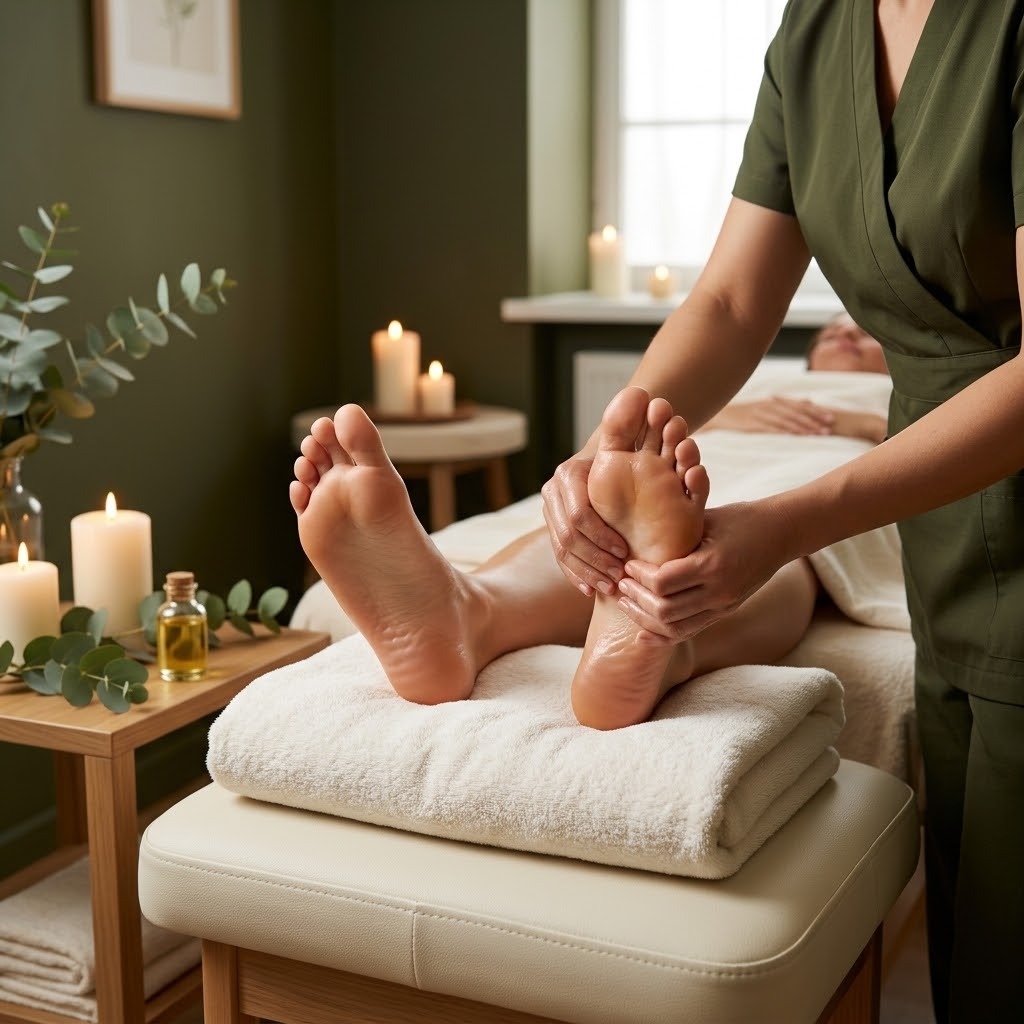
Reflexology operates upon the anatomical reality that the human foot contains over 7,000 sensitive nerve endings, as well as distinct micro-system reflex maps corresponding to every major organ, gland, and tissue system in the human body. By applying precise, calibrated thumb-walking and point stimulation to specific zones on the plantar and dorsal aspects of the feet, systemic relaxation and visceral homeostasis are initiated.
The Zone Theory: Developed by Dr. William Fitzgerald and refined by Eunice Ingham, Zone Therapy divides the human body into ten longitudinal zones running from head to toe. Stimulating the ball of the foot activates the cardiopulmonary reflex; the arch targets digestive viscera; and the heel correlates with pelvic and lower back balance. In a bustling metropolis like Dhaka, where long commutes and standing lead to severe foot fatigue, reflexology provides instant systemic rejuvenation.
Eastern Modality • Topic 10
10. Tok Sen Therapy
Northern Thai Wooden Mallet Rhythm & Deep Fascial Acoustic Vibrations
Tok Sen is an ancient, esoteric northern Thai bodywork modality originating from the Lanna Kingdom over 5,000 years ago. The name is composed of "Tok" (to tap or hammer rhythmically) and "Sen" (the body's energetic and fascial channels). It utilizes a specially hand-carved wooden mallet and peg (lim), traditionally fashioned from the sacred tamarind tree or lightning-struck wood.
Acoustic Vibration & Fascial Resonance: When the practitioner gently taps the peg along energy pathways and muscular trigger zones, it produces an acoustic mechanical vibration. This rhythmic resonance travels up to 4 inches deep into the soft tissue, penetrating denser fascial planes that manual thumbs or elbows cannot easily reach without causing surface pain. The deep vibrations melt recalcitrant muscle spasms, clear nerve entrapments, and bring rapid relief to deep-seated back and hip pain.
Western Modality • Topic 11
11. Swedish Massage Fundamentals: The Five Classic Strokes
Effleurage, Pétrissage, Friction, Tapotement & Vibration Analyzed
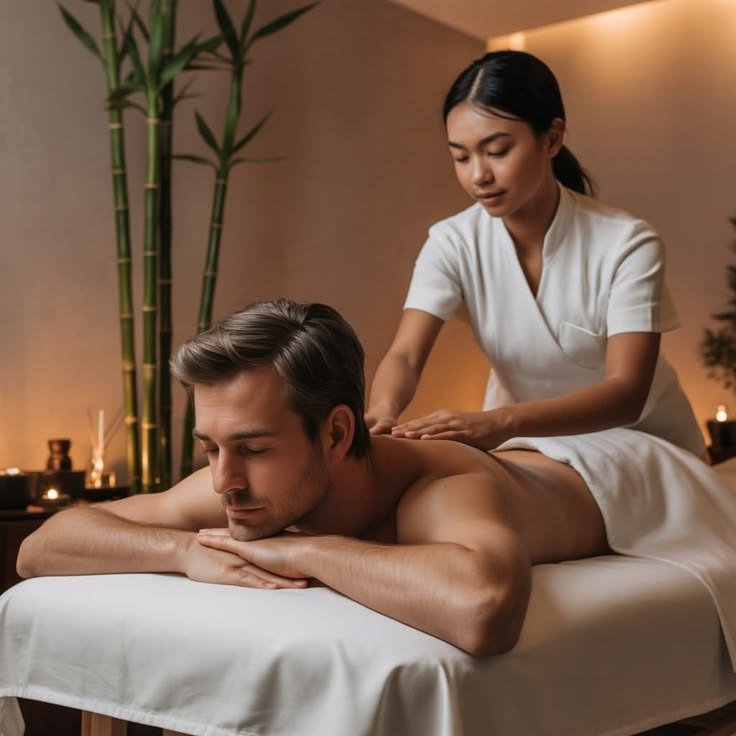
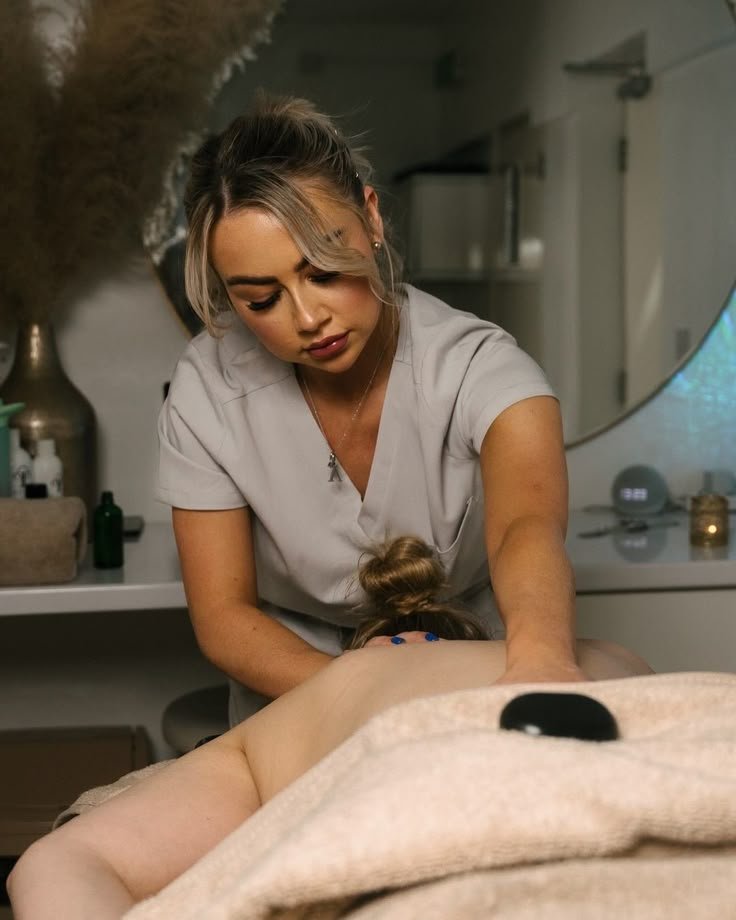
Developed by Swedish fencing master and kinesiology pioneer Pehr Henrik Ling in the early 19th century and expanded by Dutch physician Johan Georg Mezger, Swedish Massage is the gold standard of Western therapeutic bodywork. It uses carrier oils to deliver fluid, seamless gliding across the superficial muscle layers, oriented fundamentally toward venous blood return to the heart (centripetal direction).
The 5 Classic Strokes Explained:
- Effleurage: Long, continuous, rhythmic gliding strokes performed with broad palms to warm soft tissues, soothe nerve endings, and enhance lymphatic transit.
- Pétrissage: Kneading, lifting, and squeezing of muscle bellies to mobilize stagnant metabolic fluids and soften hypertonic fibers.
- Friction: Targeted circular or transverse rubbing between deeper tissue layers to generate localized heat and break microscopic collagenous adhesions.
- Tapotement: Rhythmic percussion (cupping, hacking, tapping) to invigorate the nervous system and stimulate muscle tonus.
- Vibration: Fine oscillatory shaking to soothe nerve pathways and initiate deep myofascial trembling release.
Western Modality • Topic 12
12. Deep Tissue Massage: Penetrating Sub-Layer Musculature
Mechanics of Overcoming Chronic Myofascial Adhesions & Fibrotic Cross-Links
While Swedish massage works primarily on superficial muscle groups, Deep Tissue Massage is designed to reach the deeper layers of musculature and the dense connective fascia that envelopes bones, joints, and neurovascular bundles. It is not simply Swedish massage delivered with brute force; rather, it is a deliberate, slow, technically calibrated discipline that respects the physiological boundaries of soft tissue.
Breaking Chronic Adhesions: When muscles experience repetitive strain or trauma, collagen fibers bind haphazardly, creating rigid adhesions (commonly felt as "knots"). Therapists use reinforced thumbs, knuckles, forearms, and elbows to apply sustained diagonal stripping along muscle grain. As the tissue warms and reaches thixotropic liquefaction, these fibrotic cross-links unwind, restoring natural muscle elongation and structural balance.
Western Modality • Topic 13
13. Myofascial Release Therapy
Decompressing the Collagenous Fascial Web & Restoring Full Range of Motion
Fascia is an unbroken, three-dimensional web of fibro-elastic connective tissue that permeates and infuses every single muscle fiber, bone, organ, and blood vessel from the top of the skull to the soles of the feet. Championed by physical therapy pioneer John F. Barnes, Myofascial Release (MFR) targets restrictions in this tensile matrix.
The Piezoelectric Effect: Standard massage uses lubricants to glide, but MFR utilizes dry hands with zero oil to engage the barrier of fascial resistance. The practitioner sustains gentle, continuous low-load traction for a minimum of 90 to 180 seconds. This sustained pressure triggers a piezoelectric phenomenon in collagen fibers, converting biochemical stress into cellular remodeling, hydrating desiccated ground substance, and eliminating pain radiating far from the primary site of restriction.
Western Modality • Topic 14
14. Neuromuscular Trigger Point Therapy
Deactivating Hyperirritable Nodules, Referred Pain Patterns & Local Twitch Responses
Pioneered by Dr. Janet Travell (physician to President John F. Kennedy) and Dr. David Simons, Myofascial Trigger Point Therapy focuses on hyperirritable micro-foci located within taut bands of skeletal muscle fibers. An active trigger point causes continuous local tenderness and radiates referred pain to distant anatomical zones.
The Ischemic Compression Protocol: The therapist palpates the taut muscle band, locates the nodule, and applies sustained, calibrated perpendicular compression. This temporarily starves the sarcomeres of calcium-induced contraction. Often a "local twitch response" occurs, followed by rapid softening of the knot, cessation of referred headaches or sciatic tingling, and restoration of full resting muscle length.
Western Modality • Topic 15
15. Neuromuscular Therapy (NMT)
Balancing the Central Nervous System & Musculoskeletal Kinematics
Neuromuscular Therapy (NMT), often termed the St. John Method, is a comprehensive clinical discipline addressing the complex feedback loop between the brain, spinal cord, motor nerves, and muscular contractions. It systematically investigates six primary causes of somatic pain: ischemia, trigger points, nerve compression/entrapment, postural distortion, dysfunctional biomechanics, and emotional stress.
Neurological Reprogramming: By measuring limb lengths and assessing pelvic tilt, NMT practitioners identify which muscle groups are chronically inhibited (weakened) versus which are pathologically shortened. Through targeted static pressure and active client contractions (reciprocal inhibition), the neurological set-point of muscle spindles is recalibrated, restoring postural symmetry.
Western Modality • Topic 16
16. Hot Stone Thermodynamic Therapy
Volcanic Basalt Heat Retention, Deep Vasodilation & Cellular Calming
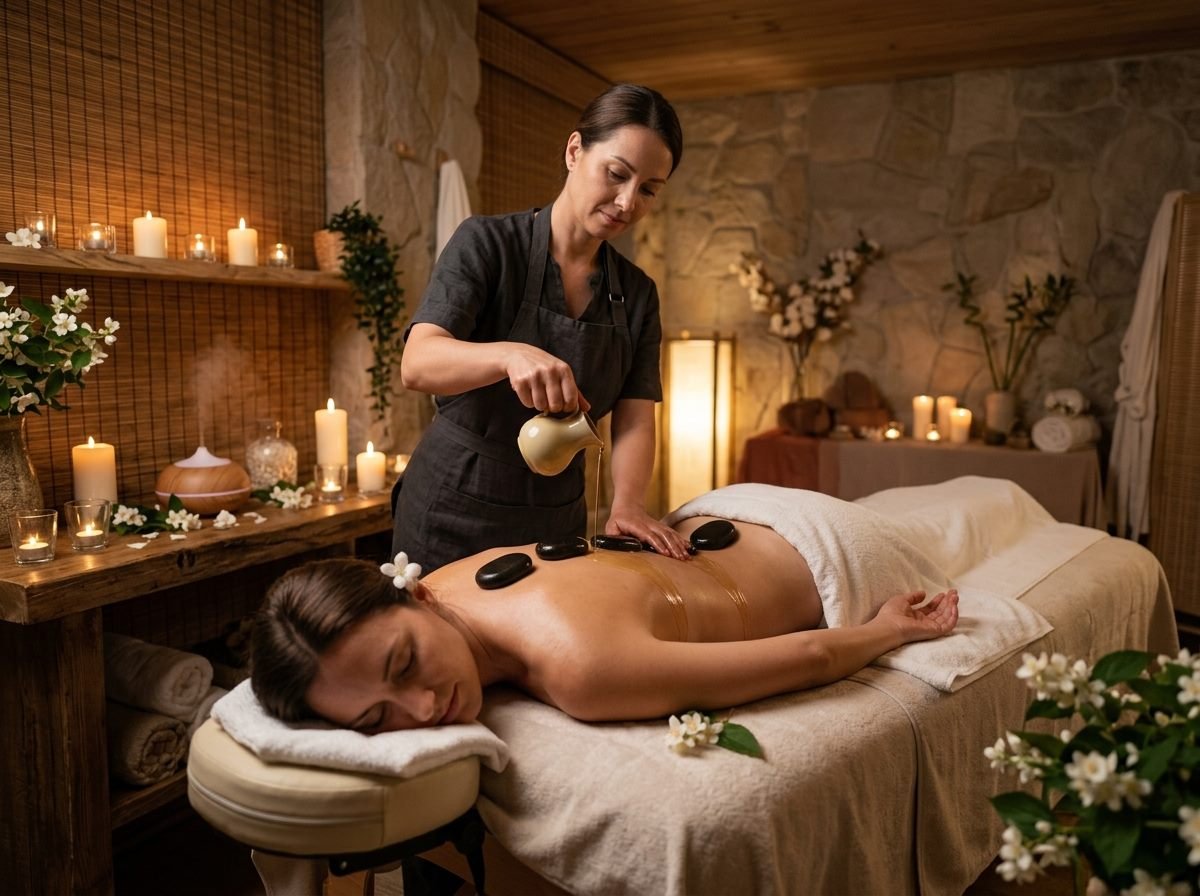
Hot Stone Therapy utilizes smooth volcanic basalt river stones heated in purified water to between 50°C and 55°C (122°F–130°F). Basalt is an igneous rock formed by cooling molten lava, rich in iron and magnesium, granting it extraordinary thermal retention capacity.
The Thermodynamic Advantage: Thermal conduction transfers heat up to 2 inches into deeper skeletal muscle layers—something manual hands alone cannot achieve without significant physical exertion. The heat induces immediate arterial vasodilation, flooding tissues with oxygen, diluting lactic acid, and drastically dampening pain reception at the dorsal horn of the spinal cord.
Western Modality • Topic 17
17. Cold Marble Contrast Therapy
Vascular Pumping, Acute Inflammation Suppression & Migraine Alleviation
While hot stones are famous for muscular melting, Cold Stone Therapy—often paired sequentially with heat in contrast thermodynamic therapy—is one of the most potent clinical tools for addressing acute inflammation, sports trauma, facial puffiness, and throbbing vascular migraines.
The Vascular Pumping Phenomenon: When chilled white marble stones (held at 0°C to 4°C) glide over congested tissues, immediate vasoconstriction forces stagnant interstitial fluid and inflammatory cytokines out of the area. When followed by warm stones, intense reactive hyperemia occurs. This alternating "pump" effect accelerates metabolic tissue recovery by over 300% without chemical medication.
Western Modality • Topic 18
18. Manual Lymphatic Drainage (MLD)
Stimulating Interstitial Fluid Flow, Immune Surveillance & Post-Surgical Detoxification
Developed in France in the 1930s by Dr. Emil Vodder, Manual Lymphatic Drainage (MLD) is a specialized clinical technique that uses exceptionally light, feather-touch, rhythmic skin-stretching maneuvers. Unlike deep tissue work, MLD operates on the fragile lymphatic capillaries situated mere millimeters beneath the epidermis.
How the Lymph System Clears Toxins: The human lymphatic system lacks a central pump like the heart; it relies on skeletal muscle movement, respiration, and external manual propulsion. By applying directional pressure with less than 4 kilopascals (just enough to stretch the cutaneous anchoring filaments), the endothelial micro-valves open. This drains protein-rich lymph fluid toward the major regional lymph nodes (axillary, inguinal, cervical) for filtration and pathogen elimination.
Western Modality • Topic 19
19. Pre-Event Sports Massage
Muscle Warming, Hyperemia Stimulation, Neuromuscular Facilitation & Injury Prevention
Administered anywhere from 4 hours to 15 minutes before an athletic event, match, or strenuous fitness training session, Pre-Event Sports Massage is fundamentally different from sedating spa massages. Its goal is not to put the athlete to sleep, but to prime the cardiovascular, neuromuscular, and motor systems for peak physical exertion.
Physiological Priming: Therapists utilize fast-paced, invigorating effleurage, rapid compression, and rhythmic tapotement (percussion). This raises intramuscular temperature by 1°C to 2°C, increases motor nerve conduction speed, optimizes ligamentous elasticity, and prevents tears during explosive sprinting or lifting movements.
Western Modality • Topic 20
20. Post-Event Athletic Recovery Massage
Lactic Acid Clearance, Micro-Trauma Healing, DOMS Prevention & Muscle Spasm Relief
Following marathon training, tennis matches, gym workouts, or competitive athletics in Dhaka, the human body suffers from micro-tears in sarcomeres, elevated blood lactate, depleted glycogen reserves, and severe sympathetic nervous system overdrive. Post-Event Sports Massage is the gold standard for accelerating somatic recovery.
Preventing Delayed Onset Muscle Soreness (DOMS): Delivered within 24 to 72 hours post-exercise, slow flushing strokes and broad compressions alleviate muscle hypertonicity and flush out creatine kinase and inflammatory cytokines. Clinical studies demonstrate that post-event massage reduces DOMS severity by up to 30%, speeding return to peak training performance.
Sensory Specialty • Topic 21
21. Four-Hand Synchronized Massage Therapy
Bilateral Sensory Saturation & Deep Cerebral Deactivation
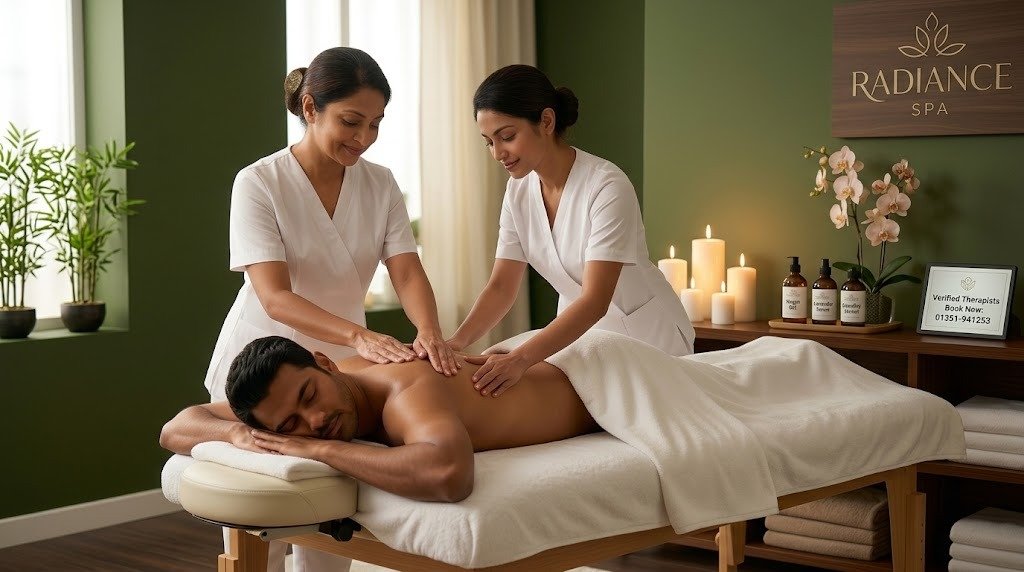
Four-Hand Massage (often called Tandem or Synchronized Massage) is the pinnacle of luxury spa experiences. It features two certified therapists working in choreographed, rhythmic unison on a single client. The therapists mirror each other's pace, pressure, and stroke direction—one therapist typically managing the upper torso and arms while the other focuses on the lower limbs and back.
The Neuro-Cognitive Miracle: In a standard two-hand massage, the human brain constantly tracks the therapist's hand positions, anticipating movements and staying slightly conscious. In a four-hand session, the sensory input overwhelms the brain's rational tracking capacity (sensory saturation). Within 10 minutes, the prefrontal cortex relinquishes control, transitioning brainwave frequencies from restless Beta directly into deep meditative Theta and restorative Delta waves.
Sensory Specialty • Topic 22
22. Botanical Aromatherapy Massage
Olfactory Limbic Activation, Terpenes & Essential Oil Biochemistry
Aromatherapy Massage marries the tactile healing power of Swedish effleurage with the biochemical potency of 100% pure, therapeutic-grade plant essential oils. These are not synthetic artificial fragrances, but steam-distilled volatile aromatic plant compounds rich in terpenes, esters, and phenols.
Direct Highway to the Emotional Brain: The olfactory nerve is the only sensory pathway in the human body with direct, unmediated access to the limbic system—the ancient brain structure controlling emotions, memory, heart rate, and autonomic nervous tone. When inhaling molecules of French Lavender (linalool), Roman Chamomile, or Australian Eucalyptus, the brain immediately suppresses adrenaline and cortisol secretion, while transdermal absorption nourishes dermal elasticity.
Sensory Specialty • Topic 23
23. Warm Soy & Shea Butter Candle Therapy
Low-Temperature Melt Pools, Transdermal Nourishment & Deep Thermal Serenity
Unlike conventional household paraffin candles that burn at skin-scalding temperatures, Massage Candles are specifically formulated using cosmetic-grade hydrogenated soybean wax, organic unrefined shea butter, cocoa butter, and cold-pressed essential oils. These specialized botanicals have a safe, low melting point of approximately 40°C to 42°C (104°F–108°F)—feeling deliciously warm like bathwater.
The Sensory Experience: The warm, melted golden balm is drizzled directly along the spine, shoulders, and legs. The rich concentration of natural fatty acids, Vitamin E, and stearic acid deeply permeates dry skin, forming a protective moisture barrier while warm, rhythmic strokes melt muscular tension.
Sensory Specialty • Topic 24
24. Warm Bamboo Cane Therapy
Deep Fascial Rolling, Mechanical Leverage & Muscular Decompression
Bamboo Massage utilizes solid and hollow stalks of organic bamboo (Bambuseae) of varying diameters and lengths, smoothly polished and heated in therapeutic heating blankets. Originally inspired by ancient rituals across Southeast Asia and the South Pacific, this technique delivers deep, broad pressure with unmatched mechanical consistency.
Rolling Out Chronic Tension: Bamboo canes act as an extension of the therapist's hands, functioning similarly to an organic foam roller with thermodynamic heat. The practitioner uses rolling, kneading, and cross-fiber levering motions. Because the cylindrical shape distributes pressure evenly across large muscle groups (such as the latissimus dorsi, quadriceps, and hamstrings), it breaks deep tension without the sharp, pinching discomfort sometimes experienced with manual thumbs or elbows.
Sensory Specialty • Topic 25
25. Hawaiian Lomi Lomi Massage
Continuous Forearm Waves, Loving Touch & Somatic Emotional Release
Rooted in the spiritual healing traditions of indigenous Hawaiian Kahunas (healers), Lomi Lomi (meaning "to rub, squeeze, or knead") is deeply connected to the concept of Aloha—the unconditional breath of life, love, and compassionate intention.
The Rhythm of Ocean Waves: Lomi Lomi is famous for its broad, continuous, sweeping forearm and elbow strokes that travel the entire length of the body in fluid, dance-like waves. The therapist often works on both the upper and lower body simultaneously, creating a sensation of being enveloped by gentle ocean swells. This rhythmic continuity releases emotional trauma and subconscious tension held locked in the body's fascial matrix.
Sensory Specialty • Topic 26
26. Indian Head Massage (Champissage)
Relieving Cranial Compactions, Scalp Tension & Ocular Eye Strain
Practiced in India for over a thousand years as an essential Ayurvedic family custom, Champissage (the Hindi root from which the modern word "shampoo" was derived) is a focused therapeutic modality targeting the upper back, shoulders, neck, scalp, and facial acupressure points.
Liberating the Cranium: Modern screen exposure causes chronic contraction of the temporalis, occipitalis, and frontalis muscles covering the skull, causing chronic tension headaches and ocular fatigue. By applying circular kneading, gentle hair tugging (which stimulates cranial blood circulation and hair follicle vitality), and acupressure to the marma points of the brow and temples, mental fog instantly clears.
Sensory Specialty • Topic 27
27. Targeted Back, Neck & Shoulder Decompression
Eradicating Chronic Trapezius Knots & Suboccipital Strain
The dorsal quadrant of the human body—specifically the upper trapezius, levator scapulae, rhomboids, and cervical erectors—bears the heaviest biomechanical burden of modern desk jobs, smartphone usage, and Dhaka traffic stress. This targeted therapy concentrates 100% of the session time strictly on these critical tension zones.
Decompression Protocol: Therapists systematically warm the superficial fibers with heated herbal balm, then execute targeted cross-fiber friction across the upper scapular borders. Suboccipital base-of-skull traction gently separates jammed cervical vertebrae, freeing compressed occipital nerves and providing instantaneous mental lightness.
Sensory Specialty • Topic 28
28. Craniosacral Gentle Rhythm Therapy
Cerebrospinal Fluid Fluctuation & Central Nervous System Recalibration
Developed by osteopathic physician Dr. John Upledger in the 1970s, Craniosacral Therapy (CST) is a subtle, non-invasive modality that uses extremely light touch—rarely exceeding 5 grams (the weight of a nickel)—to evaluate and enhance the craniosacral system. This physiological system comprises the membranes and cerebrospinal fluid (CSF) that surround and protect the brain and spinal cord.
Tuning Into the Primary Respiratory Mechanism: Through gentle holds at the sacrum, along the spine, and on cranial bones, the practitioner tunes into the subtle ebb and flow of cerebrospinal fluid (pulsing at 6 to 12 cycles per minute). Releasing dural restrictions alleviates chronic migraines, post-concussion symptoms, TMJ dysfunction, and profound autonomic nervous system dysregulation.
Anatomy & Science • Topic 29
29. The Neuroendocrinology of Massage: Cortisol, Serotonin & Dopamine
How Soft Tissue Manipulation Rewires Neurochemical Homeostasis
Chronic high-stress environments—common among corporate executives and residents navigating dense urban centers like Dhaka—trigger sustained hyperactivity of the Hypothalamic-Pituitary-Adrenal (HPA) axis, leading to chronically elevated serum cortisol. High cortisol impairs immune defense, increases abdominal visceral fat, elevates arterial blood pressure, and destroys cognitive working memory.
Clinical Endocrine Evidence: Groundbreaking clinical research conducted by the Touch Research Institute at the University of Miami School of Medicine demonstrated that a single 60-minute therapeutic massage session reduces salivary and blood cortisol by an average of 31%. Simultaneously, levels of serotonin (the primary mood-stabilizing neurotransmitter) increase by 28%, and dopamine (the neurotransmitter of motivation and reward) rises by 31%. This dual action explains why clients emerge with profound feelings of serenity and mental optimism.
Anatomy & Science • Topic 30
30. Vasodilation & Microcirculation Mechanics
Mechanical Compression, Nitric Oxide Release & Enhanced Capillary Perfusion
Every muscle cell in the human body relies upon a continuous, uninterrupted capillary blood supply to receive oxygen and glucose, and to evacuate metabolic byproducts like carbon dioxide, hydrogen ions, and lactic acid. When muscle fibers remain in chronic spasm, internal intramuscular pressure exceeds capillary blood pressure, creating localized tissue ischemia (cellular starvation).
Nitric Oxide Release: Rhythmic compressive massage physically shears the endothelial lining of micro-vessels, stimulating the enzymatic synthesis of nitric oxide (NO). Nitric oxide signals smooth muscle cells surrounding arterioles to relax, resulting in profound vasodilation. Capillary bed diameter expands by up to 200%, visible as a healthy warm pink flush (erythema) on the skin, bathing previously suffocated tissues in restorative hemoglobin.
Anatomy & Science • Topic 31
31. Office Syndrome & Posture Breakdown Demystified
Correcting Forward Head Posture, Upper Crossed Syndrome & 8-Hour Sitting Damage
"Office Syndrome" is the clinical constellation of musculoskeletal dysfunctions caused by continuous, prolonged sedentary work behind laptops, computer screens, and mobile smartphones. Biomechanically, for every inch the head migrates forward beyond neutral vertical alignment, the effective gravitational load experienced by the cervical spine increases by 10 pounds.
Upper Crossed Syndrome: Described by legendary Czech physiatrist Dr. Vladimir Janda, desk workers develop a predictable cross-pattern: pathologically tight pectorals and suboccipitals crossing against weak deep neck flexors and rhomboids. Therapeutic massage systematically releases the hypertonic anterior chest (opening collapsed lungs) and deactivates occipital trigger points, allowing the skull to re-center naturally over the thoracic spine without strain.
Anatomy & Science • Topic 32
32. Lower Back Pain & Sciatic Nerve Impingement
Piriformis Decompression, Lumbar Muscle Balancing & Sacroiliac Realignment
Low back pain is the leading cause of activity limitation and lost work productivity worldwide. In a significant percentage of sufferers, radiating numbness, tingling, or electric pain traveling down the buttocks into the leg is diagnosed as Sciatica. However, clinical testing frequently reveals the true culprit is not a herniated lumbar disc, but Piriformis Syndrome.
Decompressing the Sciatic Conduit: The sciatic nerve (the thickest nerve in the human body) passes directly underneath—and in roughly 15% of the population, directly through—the belly of the deep piriformis muscle. Prolonged sitting tightens the gluteal rotators, trapping the nerve in a vice-like ischemic clamp. Deep tissue elbow holds, transverse friction, and passive internal hip rotation release the strangulated nerve, providing dramatic, lasting relief.
Anatomy & Science • Topic 33
33. Cervical Spine Strain & Chronic Tension Headaches
Releasing the Suboccipital Triangle, Occipital Nerves & Levator Scapulae
Over 70% of recurrent headaches are categorized medically as Cervicogenic or Muscle Tension Headaches. These headaches are characterized by a dull, constant, band-like constriction squeezing the forehead, temples, or wrapping behind one eye. They are directly caused by hyper-contracted muscles at the craniocervical junction.
The Suboccipital Triangle: Four tiny pairs of muscles (rectus capitis posterior major/minor, obliquus capitis superior/inferior) connect the top two cervical vertebrae (Atlas and Axis) to the base of the occipital bone. The greater occipital nerve weaves directly through these fibers. Precision fingertips gently hook underneath the skull shelf, holding mild upward traction. Within 3 minutes, dural tension relaxes, the pinched nerve breathes, and throbbing headache pain evaporates.
Anatomy & Science • Topic 34
34. Joint Articulation & Synovial Fluid Stimulation
Preserving Articular Hyaline Cartilage & Decompressing Tight Ligaments
Unlike muscles, which boast an abundant arterial blood supply, articular cartilage covering bone ends inside human synovial joints is completely avascular. It possesses zero blood vessels. Its sole method of receiving glucose, oxygen, and amino acids—and ridding itself of wear-and-tear debris—is through the circulation of viscous synovial fluid driven by joint movement.
The Sponging Mechanism: When joints remain motionless for hours in seated postures, cartilage dries out and degenerates, leading to osteoarthritis. Passive joint mobilization, circular rotations, and assisted stretches performed during Thai and Swedish massage compress and decompress the joint capsule like a wet sponge. This pumps fresh synovial fluid into the microscopic chondrocyte matrix, keeping joints supple, noiseless, and pain-free.
Anatomy & Science • Topic 35
35. Sleep Architecture & Insomnia Relief
Activating Delta Brain Waves & Curing Chronic Restless Sleep
Insomnia and fragmented, non-restorative sleep are modern epidemics fueled by high blue-light screen exposure, chronic mental stimulation, and nervous exhaustion. Sleep is not merely unconsciousness; it is a complex neurological cycle divided into light sleep, REM (dreaming) sleep, and Slow-Wave Delta Sleep (Stage 3/4)—the only phase where human growth hormone (HGH) is secreted and physical tissue repair occurs.
The Melatonin Precursor Pathway: Electroencephalogram (EEG) studies demonstrate that rhythmic massage therapy increases slow delta wave amplitude while simultaneously stimulating the production of serotonin. Because the brain's pineal gland chemically synthesizes melatonin directly from serotonin, clients who receive afternoon or evening massages fall asleep 45% faster and spend significantly more time in regenerative deep slow-wave sleep.
Anatomy & Science • Topic 36
36. Immune Function & White Blood Cell Proliferation
Natural Killer (NK) Cells, CD4+ T-Lymphocyte Activation & Cellular Defense
For decades, massage was viewed exclusively as a cosmetic or pampering indulgence. However, modern clinical immunology has revealed that therapeutic touch is one of the most reliable non-pharmacological methods to dramatically amplify the human body's first line of immune defense against viral pathogens and cellular abnormalities.
Proliferation of Natural Killer Cells: In a landmark study published in the Journal of Alternative and Complementary Medicine by Cedars-Sinai Medical Center, blood samples collected immediately before and after a 45-minute Swedish massage revealed significant increases in circulating lymphocytes—including Natural Killer (NK) cells, CD4+ T-cells, and B-cells. By flushing trapped immune cells out of lymphoid reservoirs and into active circulatory circulation, massage fortifies your body against seasonal viral infections.
Anatomy & Science • Topic 37
37. Breaking the Neurological Pain-Spasm-Pain Cycle
Proprioceptive Reset, Muscle Spindle Calming & Ending Reflexive Guarding
When an acute injury, awkward twist, or emotional panic shocks a muscle, sensory nerve endings fire emergency alarm signals to the spinal cord. In response, the spinal cord fires back protective motor commands to contract the surrounding muscle fibers—a phenomenon called muscle guarding or splinting.
The Vicious Feedback Loop: As the muscle contracts to protect itself, it crushes its own capillaries, inducing ischemia. Ischemia causes acidosis and releases substance P, which fires more pain signals back into the spinal cord, triggering even tighter spasms. This is the notorious Pain-Spasm-Pain Cycle. Therapeutic massage mechanically interrupts this loop: slow compression floods the tissue with oxygen, while gentle muscle lengthening resets hyperactive muscle spindle sensors, signaling the central nervous system that the danger has passed.
Anatomy & Science • Topic 38
38. Vagus Nerve Activation & Heart Rate Variability (HRV)
Switching the Somatic Circuitry from Fight-or-Flight into Rest-and-Digest
The Vagus Nerve (Cranial Nerve X) is the longest and most critical nerve in the human autonomic nervous system, extending from the brainstem through the neck and thorax down into the visceral abdominal organs. It controls the parasympathetic nervous system—the biological circuit responsible for digestion, immune repair, cellular regeneration, and social connection.
Elevating Heart Rate Variability (HRV): Deep, rhythmic tactile stimulation activates pressure receptors (Pacinian and Meissner corpuscles) that feed directly into the vagal nerve trunk. This instantaneously decelerates cardiac rhythm, lowers diastolic blood pressure, and stimulates digestive peristalsis (often heard as gentle stomach gurgles during a massage—the gold standard clinical sign of parasympathetic activation!). A higher vagal tone measured via HRV is the premier biological biomarker of human longevity.
Protocol & Guide • Topic 39
39. How to Select the Right Massage Modality for Your Body
Matching Your Somatic Needs, Pain Level & Energetic State to the Ideal Therapy
With dozens of distinct therapeutic traditions available, clients frequently ask: "Which massage is right for me?" Choosing the optimal modality depends upon your primary physiological objective:
- For Pure Stress Relief & Anxiety: Choose Swedish Massage or Hot Oil Aromatherapy. The gentle rhythmic effleurage sedates the sympathetic nervous system and induces deep emotional peace.
- For Chronic Knots, Muscle Stiffness & Deep Pain: Choose Deep Tissue Massage or Neuromuscular Trigger Point Therapy. These modalities penetrate past superficial muscles to release stubborn scar tissue.
- For Whole-Body Stagnation, Sluggishness & Flexibility: Choose Traditional Thai Massage. Dynamic passive yoga stretching mobilizes jammed joints and restores somatic energy.
- For Supreme Luxury & Complete Mental Reset: Choose Four-Hand Synchronized Massage or 90-Minute Hot Stone Therapy.
Protocol & Guide • Topic 40
40. Demystifying the Pressure Scale: Soft, Medium vs Deep Tissue
Calibrating Tactile Force, Pain Thresholds & Verbal Communication
A common misconception is that effective massage must be excruciatingly painful. In reality, pain causes the body to flinch and tense up defensively, which directly counteracts therapeutic release. Professional bodywork categorizes pressure into a 1 to 5 scale:
- Level 1–2 (Gentle / Light): Used in MLD and relaxation Swedish. Glides effortlessly across skin and superficial fascia without deep muscular compression.
- Level 3 (Medium): Engages the superficial and intermediate muscle bellies (trapezius, lats). Firm, soothing, comfortable tension release.
- Level 4–5 (Firm to Deep Tissue): Slowly penetrates past outer layers to reach deep stabilizers (piriformis, subscapularis, psoas). Sensation should feel like "satisfying pressure" or "good pain"—never sharp, shooting, or agonizing.
Golden Rule: Never suffer in silence! You are in total control. Inform your therapist immediately if pressure should be adjusted softer or deeper at any point during your treatment.
Protocol & Guide • Topic 41
41. Pre-Session Best Practices & Guidelines
Hydration Protocols, Meal Timing, Digital Detox & Mental Unwinding
To derive the absolute maximum therapeutic benefit from your spa session in Gulshan, proper preparation is essential:
- Hydration: Drink 1–2 glasses of water 1 hour prior. Well-hydrated muscle tissue is pliant and responsive, whereas dehydrated tissue is brittle and tender.
- Meal Timing: Avoid heavy meals for at least 90 minutes before your session. Lying prone (face down) while your stomach is actively digesting can cause abdominal discomfort and acid reflux.
- Arrival: Arrive 10 to 15 minutes early. Rushing into the spa spikes cortisol and heart rate, taking 20 minutes of session time just to settle down.
- Digital Detox: Switch mobile phones to silent mode. Disconnecting from screens allows the nervous system to transition smoothly into the parasympathetic healing state.
Protocol & Guide • Topic 42
42. Session Duration Comparison: 60 vs 90 vs 120 Minutes
Why 90-Minute Sessions Deliver Over 50% Greater Therapeutic Efficacy
When booking a massage, clients frequently deliberate on the session duration. Here is an evidence-based comparison:
- 60 Minutes (Standard Maintenance): Ideal for targeted relief (e.g. back, neck, and shoulders only) or a rapid whole-body introductory refresh. However, because a human body has over 600 muscles, 60 minutes allows only 3 to 4 minutes per muscle group.
- 90 Minutes (The Optimal Sweet Spot): Scientifically recognized as the gold standard. It allows the therapist 20 minutes to thoroughly warm the soft tissues, 45 minutes to execute deep focal work on chronic problem areas, and 25 minutes for holistic integration, feet, neck, and scalp decompressions without rushing.
- 120 Minutes (The Ultimate Transformation): Recommended for intensive Thai stretching, severe chronic fatigue, or dual combinations (e.g. 90-min Full Body Swedish followed by 30-min Foot Reflexology).
Protocol & Guide • Topic 43
43. Privacy, Modesty & VIP Private Suite Protocols
Professional Draping Standards, Boundary Safety & Discretion Guarantees
At luxury wellness establishments in Gulshan, client privacy, modesty, and peace of mind are paramount. Here is what every guest can expect:
- 100% Private Suites: All treatments occur in individual, private suites with solid doors, sound dampening, and en-suite private hot shower and dressing amenities.
- Professional Draping: Under international spa standards, you are covered with fresh, clean linens at all times. The therapist uncovers only the specific anatomical quadrant being actively treated (e.g., the right arm, the left calf, or the back) and securely redrapes it before moving to the next area.
- Discretion & Changing: Your therapist always leaves the private suite while you disrobe and lie comfortably under the draped sheet, knocking gently and waiting for verbal permission before re-entering.
Protocol & Guide • Topic 44
44. Post-Session Recovery & Metabolic Waste Flushing
Managing Benign Post-Massage Muscle Soreness & Rehydrating Fascial Layers
What you do immediately following your massage session determines how long your newfound relief and flexibility last:
- Hydrate Generously: Drink 500ml to 1 liter of fresh water over the subsequent 3 hours. Deep tissue manipulation releases metabolic waste products trapped in stagnant muscle fibers into systemic circulation. Water flushes these byproducts out via the kidneys.
- Understanding Post-Massage Soreness: Following deep tissue or trigger point therapy, mild soreness similar to a gym workout is completely normal for 24 hours. This represents healthy inflammatory remodeling as muscle fibers settle into lengthened alignments.
- Avoid Heavy Lifting & Strenuous Workouts: Allow your muscles and nervous system 6 to 12 hours of peaceful rest before engaging in heavy athletic training.
Protocol & Guide • Topic 45
45. Evidence-Based Massage Frequency Schedule
How Often Should You Receive Therapeutic Bodywork?
Massage delivers cumulative physiological benefits. While a single session provides instant stress relief, regular bodywork fundamentally rewires chronic posture and prevents debilitating spasms:
- For Acute Injury Rehabilitation or Severe Spasms: 1 to 2 sessions per week for 2–3 weeks until acute inflammation subsides and range of motion is restored.
- For Desk Workers, High-Stress Executives & Regular Maintenance: Once every 1 to 2 weeks. This prevents repetitive strain injury (RSI) from locking the neck and lower back.
- For General Preventative Wellness & Immunity: Once every 3 to 4 weeks to maintain optimal circulatory flow and sustained autonomic nervous system balance.
Safety & Medical • Topic 46
46. Absolute vs Relative Contraindications in Massage
When to Delay, Avoid or Modify Soft Tissue Manipulation
Patient safety is the supreme priority in clinical bodywork. Contraindications fall into two distinct medical categories:
- Absolute Contraindications (Massage is Forbidden): High active fever or systemic contagious illness, deep vein thrombosis (DVT) or active blood clots, uncontrolled severe hypertension, acute intoxication, contagious active skin infections, and immediately post-major unhealed surgery. In these states, increasing circulation could spread infection or dislodge emboli.
- Relative / Local Contraindications (Massage is Modified): Localized cuts, fresh bruising, varicose veins (avoid deep pressure over veins, but surrounding tissue can be worked), mild osteoporosis (avoid aggressive leverage), and first trimester pregnancy (gentle side-lying positioning only with physician clearance).
Safety & Medical • Topic 47
47. Cardiovascular Health & High Blood Pressure Adaptations
How Gentle Parasympathetic Bodywork Lowers Mean Arterial Pressure
Clients with medically managed hypertension (high blood pressure) can benefit immensely from gentle Swedish massage, warm foot reflexology, and aromatherapy. By triggering whole-body vasodilation and down-regulating adrenaline, peripheral vascular resistance drops, providing measurable reductions in systolic and diastolic readings.
Clinical Adaptations Required: For hypertensive clients, therapists avoid intense, agonizing deep tissue work or extremely rapid percussive tapotement, which can provoke transient blood pressure spikes. Long, slow, calming strokes and moderate room temperatures are strictly maintained.
Safety & Medical • Topic 48
48. The Ultimate Desk Worker's Survival Blueprint
A Practical Daily Routine to Counteract 8+ Hours of Commuting & Desk Sitting
Sitting for extended hours in traffic or behind office monitors places the human hip joint in constant 90-degree flexion, causing the psoas major to shorten while gluteal muscles fall into "gluteal amnesia" (dormant inhibition). Combine this with forward-reaching arms on keyboards, and spinal degeneration accelerates.
The 3-Pillar Antidote:
- The 45-Minute Micro-Break: Stand up every 45 minutes, extend arms behind your back, and perform 5 deep diaphragmatic breaths to open the thoracic cavity.
- Ergonomic Monitor Elevation: Elevate screens so your eyes naturally meet the top third of the monitor without bending the neck forward.
- Routine Soft-Tissue Decompression: Schedule regular bi-weekly Thai stretching or Deep Tissue massage in Gulshan to manually reset shortened hip flexors and chest muscles before permanent postural distortion sets in.
Safety & Medical • Topic 49
49. Athletic Body Maintenance: Periodizing Massage with Training
Harmonizing Soft Tissue Therapy with Heavy Strength Training & Running
Elite athletes and serious fitness enthusiasts understand that muscles do not grow and strengthen in the gym; they grow during recovery. Heavy resistance training and high-intensity cardio break down muscle fibers. Without manual soft tissue mobilization, scar tissue builds up along fascial glide planes, restricting maximum power output and increasing hamstring, groin, and rotator cuff tear risks.
The Periodization Formula: Schedule deep tissue or sports massage on scheduled rest days, ideally 24 to 48 hours following your most grueling training session. This flushes metabolic waste without interfering with central nervous system power output on heavy training days.
Safety & Medical • Topic 50
50. The Long-Term Preventive Wellness Philosophy
Shifting from Reactive Crisis Management to Proactive Somatic Vitality
In modern society, most individuals seek therapeutic bodywork only when an acute medical crisis strikes—when the neck locks completely, sciatic pain prevents standing, or severe exhaustion triggers a breakdown. This is reactive crisis management, which requires lengthy, costly interventions to restore basic functioning.
The Proactive Paradigm: Ancient Eastern medical traditions and contemporary longevity medicine share a foundational truth: preventative care is infinitely superior to curative intervention. When massage is incorporated as an ongoing lifestyle discipline—like clean nutrition, hydration, and quality sleep—chronic knots never have the opportunity to solidify, stress hormones never reach neurotoxic peaks, and your physical body remains a source of vibrant joy, mobility, and enduring health.